
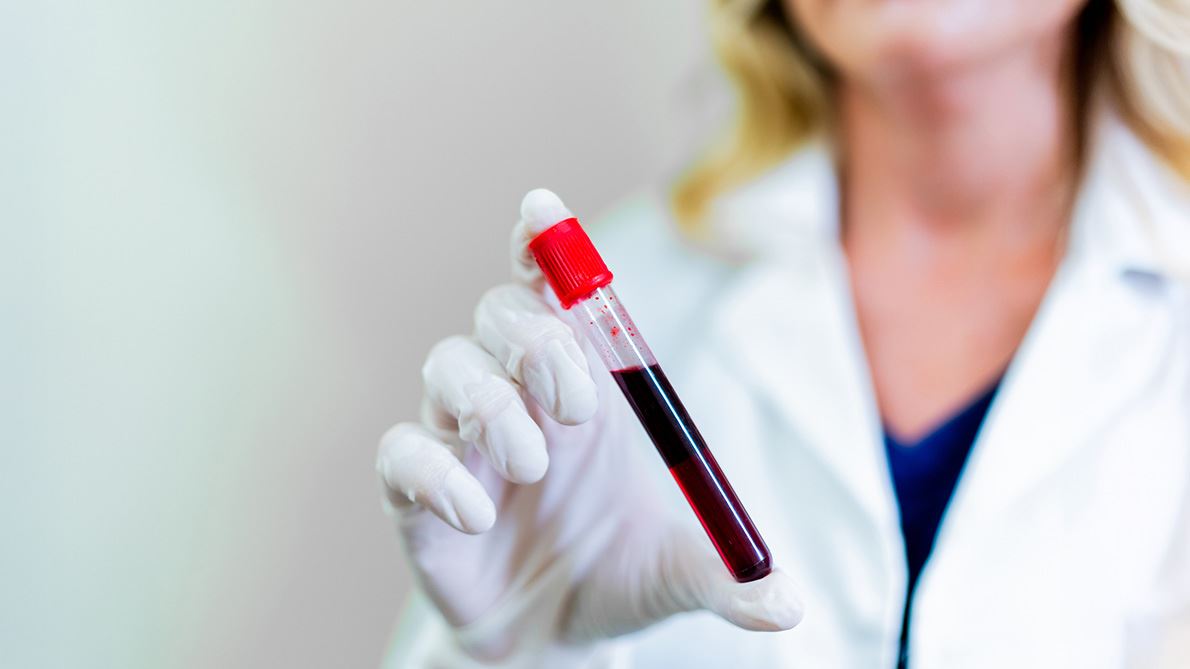
NORTHFIELD, Ill. (February 19, 2026)—A new blood test that measures donor‑derived cell‑free DNA is transforming how physicians monitor organ transplant patients. The technology enables earlier detection of organ injury and may reduce the need for invasive biopsies, according to the recent publication “Utilizing Cell-Free DNA Technologies for Clinically Significant Biomarkers in Solid Organ Transplantation.”
Organ transplantation is a life-saving treatment for end-stage disease, but complications such as rejection remain a major risk. Traditional monitoring methods are invasive and carry medical risks with the possibility of detecting problems too late.
“Donor-derived cell-free DNA, or dd-cfDNA, offers a noninvasive alternative. The test measures tiny fragments of DNA released into the bloodstream when cells from a transplanted organ are injured, shares co-author Annette Sunhi Kim, MD, PhD, FCAP, Chair of the CAP’s Personalized Health Care Committee. “When the organ is healthy, donor-derived DNA levels remain low. Elevated levels signal possible injury from rejection, infection or reduced blood flow.”
“This new test functions as an early warning system, providing real-time insight into transplant health using a simple blood draw,” shares co-author Julianne Szczepanski, MD, FCAP.
The use of dd-cfDNA is now supported by professional guidelines for kidney and heart transplant recipients. Studies show the test can reliably rule out rejection, helping clinicians avoid unnecessary biopsies while identifying patients who may need closer monitoring or treatment.
While dd-cfDNA testing cannot always determine the cause of organ injury, low levels strongly indicate the absence of rejection. This high negative predictive value makes the test particularly useful for routine surveillance and early intervention.
Research is ongoing to expand the use of cell-free DNA technologies to other organ transplants, including liver and lung, and to develop methods that may help distinguish between different types of organ injury.
###
About the College of American Pathologists
As the world’s largest organization of board-certified pathologists and leading provider of laboratory accreditation and proficiency testing programs, the College of American Pathologists (CAP) serves patients, pathologists, and the public by fostering and advocating excellence in the practice of pathology and laboratory medicine worldwide. For more information, visit the CAP Newsroom, CAP.org and yourpathologist.org to watch pathologists at work and see the stories of the patients who trust them with their care.